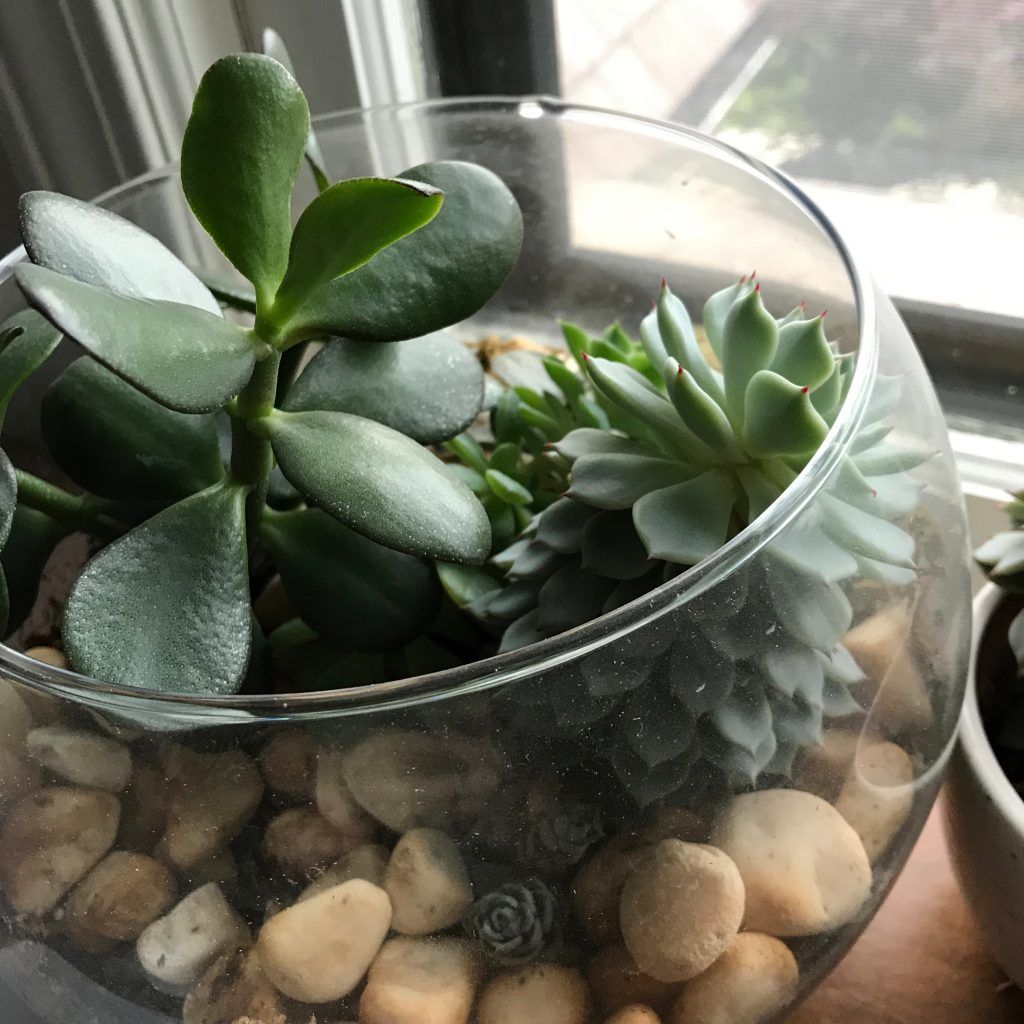
We have various photos about How to transplant succulents babies in this article. You can download any images about How to transplant succulents babies here. We hope you enjoy explore our website.
Currently you are viewing a post about how to transplant succulents babies images. We give some images and information connected to how to transplant succulents babies. We always try our best to publish a post with quality images and informative articles. If you have not found any ideas or wallpapers you are looking for, you can use our search feature to browse our other post.
How To Transplant Succulents Babies. Growing succulents from stem cuttings is easy. Now you can either gently separate the babies from the original leaves and put them in individual pots, or move the leaves with the babies. Or you have a pot with a lot of dangling hens and chicks (they grow out to get as much sun as possible). Just break the stem connecting the two plants, wiggle loose the chick plant, and transplant it into a new home.
 Succulent leaf cuttings are so easy. Ready to transplant From pinterest.com
As mentioned before, most succulents will produce babies in the spring and summer months. Now you can either gently separate the babies from the original leaves and put them in individual pots, or move the leaves with the babies. Place the calloused end of the cutting into the fine grit at the top of the pot. This will not harm the roots, no matter what type of succulent it is. When the baby plant becomes bigger and the mother leaf withers, it is time to transplant the succulent into its own pot. This method is ideal for mature succulents that have grown too tall and become leggy.
Use a sharp knife to cut off the baby right at the base of the stem.
You can also divide succulents like sempervivum really easily, and many will simply do the work for you by sending out smaller offset plants on a runner. When planting succulent cuttings, either wait a few days to insert into new soil or before watering those you plant immediately. Succulents store water in their tissues, so they don’t require a lot of watering. They are easy care plants after all. To get started, you should wait for the springtime as this is the best time of the year to go through with sempervivum propagation. Sometimes the suckers fall or separate on their own.
 Source: pinterest.com
Skip the dividing and spacing many people prefer to leaver their hens and chicks to grow unattended. The most widely known is by taking a cutting. Ad buy succulents online at bestseedsonline.com. Echeveria, graptoveria, haworthia, and sempervivum (to name a few) will all produce new plants if they are doing well. Sometimes the suckers fall or separate on their own.
 Source: pinterest.com
Aeoniums will produce many offsets in the fall and winter months. These will occur in spring and summer. Then place the plant on the new soil. Transplant the baby plant in its own pot using a suitable potting mix. When the baby plant becomes bigger and the mother leaf withers, it is time to transplant the succulent into its own pot.
 Source: pinterest.com
The very first way you should try to propagate hens and chicks is by using offsets as this is most certainly the easiest method and has the highest success rate. They are easy care plants after all. Ad buy succulents online at bestseedsonline.com. Let the plantlets grow until the mother leaf starts to wither. As mentioned before, most succulents will produce babies in the spring and summer months.
 Source: pinterest.com
The trick is on him though because succulents are super easy to divide and root new plants so quite honestly i can fill my home with succulents for years just with the plants i already have! Gently massage the rootball to divide succulents. Begin by gently pulling the succulent, removing it from the planter. Or you have a pot with a lot of dangling hens and chicks (they grow out to get as much sun as possible). These offset plants can be removed and planted elsewhere, where they will grow into big strong succulents and one day send off their own offshoots (it’s the circle of succulent life!).
 Source: pinterest.com
Just break the stem connecting the two plants, wiggle loose the chick plant, and transplant it into a new home. Say you have a container you want to fill but you want to use smaller hens and chicks. They are easy care plants after all. Taking a good cutting is essential for setting your new succulent up for success. Aeoniums will produce many offsets in the fall and winter months.
 Source: pinterest.com
Transplant the baby plant in its own pot using a suitable potting mix. The bare stems left on original plants will quickly sprout new stems. Allow the cut ends to dry and heal over a few days. Carefully remove the child cactus from the parent cactus. Now that we’ve reviewed the four basic ways that you can propagate succulents, give it a try yourself!
 Source: pinterest.com
As mentioned before, most succulents will produce babies in the spring and summer months. The bare stems left on original plants will quickly sprout new stems. The trick is on him though because succulents are super easy to divide and root new plants so quite honestly i can fill my home with succulents for years just with the plants i already have! Wait until the new succulents grow to a large enough size to transplant them into a planter. This will not harm the roots, no matter what type of succulent it is.
 Source: pinterest.com
If you are not sure whether a newly purchased succulent can be easily divided, just gently massage the root ball. Transplant the baby plant in its own pot using a suitable potting mix. The reason for this is because your hens and chick. Ad buy succulents online at bestseedsonline.com. Skip the dividing and spacing many people prefer to leaver their hens and chicks to grow unattended.
 Source: pinterest.com
Simply snip off tops or ends of mature stems; Now that we’ve reviewed the four basic ways that you can propagate succulents, give it a try yourself! Possible gritty materials to use are construction sand, small gravel, or chicken grit. As mentioned before, most succulents will produce babies in the spring and summer months. Check out all bestselling seeds & garden tools paintings for affordable prices.
 Source: pinterest.com
Ad buy succulents online at bestseedsonline.com. Use a sharp knife to cut off the baby right at the base of the stem. Check out all bestselling seeds & garden tools paintings for affordable prices. Possible gritty materials to use are construction sand, small gravel, or chicken grit. Echeveria, graptoveria, haworthia, and sempervivum (to name a few) will all produce new plants if they are doing well.
 Source: pinterest.com
The reason for this is because your hens and chick. Take a small plastic container, about 3 inches around, and fill it with a gritty potting mix made for cacti and succulents. Wait until the new succulents grow to a large enough size to transplant them into a planter. Skip the dividing and spacing many people prefer to leaver their hens and chicks to grow unattended. If you are not sure whether a newly purchased succulent can be easily divided, just gently massage the root ball.
 Source: pinterest.com
Use a sharp knife to cut off the baby right at the base of the stem. The very first way you should try to propagate hens and chicks is by using offsets as this is most certainly the easiest method and has the highest success rate. Taking a good cutting is essential for setting your new succulent up for success. Begin by gently pulling the succulent, removing it from the planter. Carefully remove the child cactus from the parent cactus.
 Source: pinterest.com
Place the calloused end of the cutting into the fine grit at the top of the pot. Possible gritty materials to use are construction sand, small gravel, or chicken grit. If it can be divided, you will see the plant sections begin to. Check out all bestselling seeds & garden tools paintings for affordable prices. Simply snip off tops or ends of mature stems;
 Source: pinterest.com
Simply snip off tops or ends of mature stems; Just break the stem connecting the two plants, wiggle loose the chick plant, and transplant it into a new home. Transplant the baby plant in its own pot using a suitable potting mix. Carefully remove the child cactus from the parent cactus. As mentioned before, most succulents will produce babies in the spring and summer months.
 Source: pinterest.com
When the baby plant becomes bigger and the mother leaf withers, it is time to transplant the succulent into its own pot. The most widely known is by taking a cutting. When the baby plant becomes bigger and the mother leaf withers, it is time to transplant the succulent into its own pot. Separating the offsets from the hen plant is very easy. To get started, you should wait for the springtime as this is the best time of the year to go through with sempervivum propagation.
 Source: pinterest.com
Separating the offsets from the hen plant is very easy. Gently massage the rootball to divide succulents. Aeoniums will produce many offsets in the fall and winter months. Just break the stem connecting the two plants, wiggle loose the chick plant, and transplant it into a new home. Possible gritty materials to use are construction sand, small gravel, or chicken grit.
 Source: pinterest.com
Let the plantlets grow until the mother leaf starts to wither. Once you make sure that it’s centered, add more mix around the base of the plant until it sits straight up without you holding it. Sometimes the suckers fall or separate on their own. Now you can either gently separate the babies from the original leaves and put them in individual pots, or move the leaves with the babies. These will occur in spring and summer.
 Source: pinterest.com
The reason for this is because your hens and chick. Say you have a container you want to fill but you want to use smaller hens and chicks. If it can be divided, you will see the plant sections begin to. Echeveria, graptoveria, haworthia, and sempervivum (to name a few) will all produce new plants if they are doing well. This method is ideal for mature succulents that have grown too tall and become leggy.
Any registered user can share their favorite images found from the internet to our website. All materials used in our website are for personal use only, please do not use them for commercial purposes. If you are the author of uploaded image above, and you do not want them to be here, please give a report to us.
Please help us by sharing this article about how to transplant succulents babies to your social media like Facebook, Instagram, etc. Thank you.